low-voltage lighting · landscape lighting · safety · security · energy efficiency
Taming the Dark: The Logic of Low-Voltage Landscape Lighting
Taming the Dark: The Logic of Low-Voltage Landscape Lighting
As a homeowner in the Pacific Northwest, you’re no stranger to overcast skies and darkness. But what if we told you there’s a way to illuminate your outdoor spaces without sacrificing energy efficiency or safety? Enter low-voltage landscape lighting – a smart solution for any home.
What is Low-Voltage Lighting?
Low-voltage lighting refers to electrical systems that operate at 12V, significantly lower than standard household voltage (120V). This reduced voltage makes the system safer and more manageable. Unlike high-voltage systems, low-voltage lights are less prone to electrical shock and can be installed with minimal risk.
Benefits of Low-Voltage Landscape Lighting
Not only is low-voltage lighting safe, but it also offers numerous benefits:
- Energy Efficiency: Since low-voltage lights consume significantly less power than their high-voltage counterparts, you’ll enjoy lower energy bills.
- Durability: With fewer voltage fluctuations, your lights will last longer and require less maintenance.
- Customization: Low-voltage systems allow for greater design flexibility, enabling you to create unique lighting schemes that suit your home’s architecture and surroundings.
How Low-Voltage Lighting Works
A typical low-voltage landscape lighting system consists of:
- A transformer: Converts 120V household power to 12V for the lights.
- Underground wiring: Connects the transformer to the lights, often buried beneath the lawn or garden.
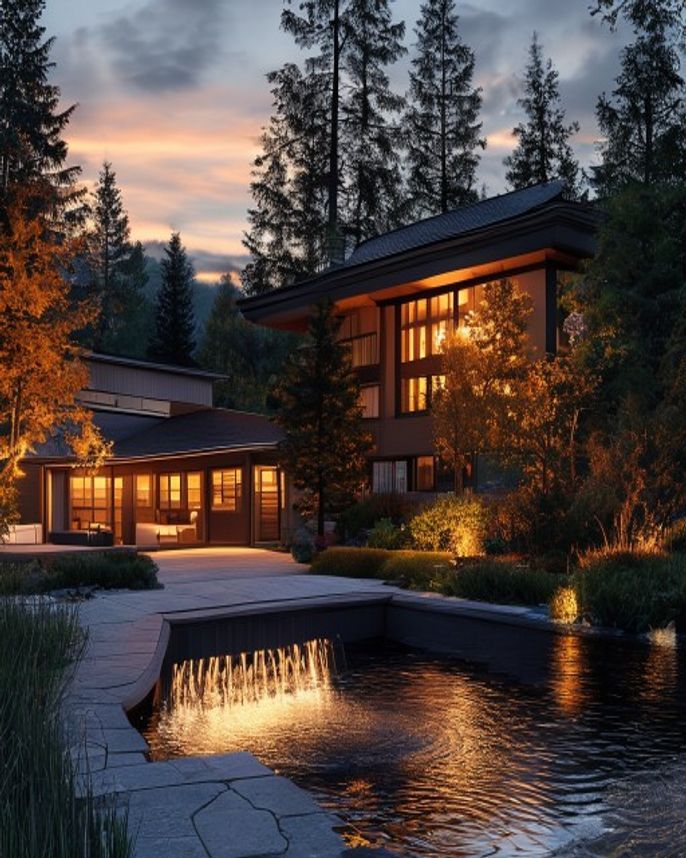
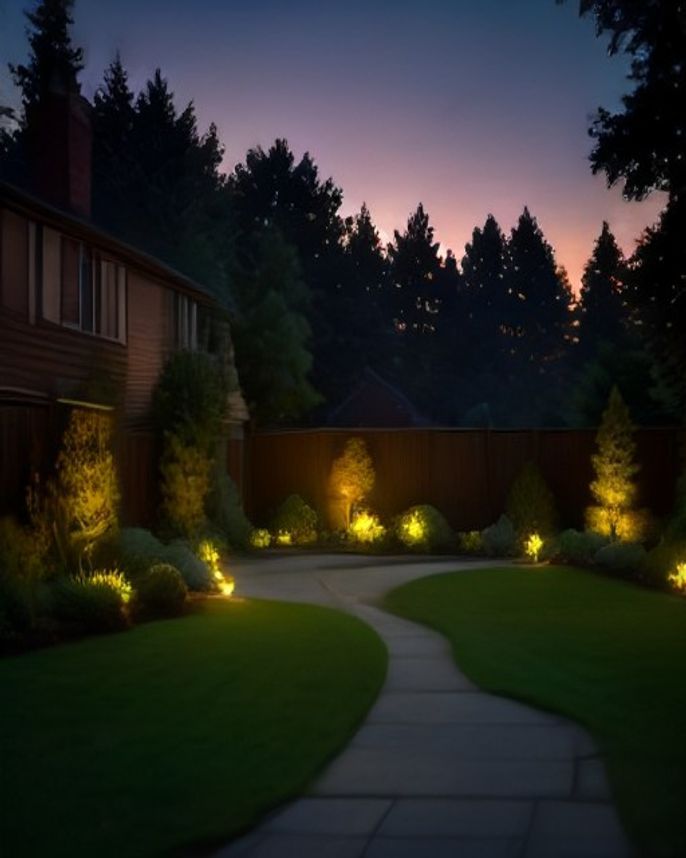
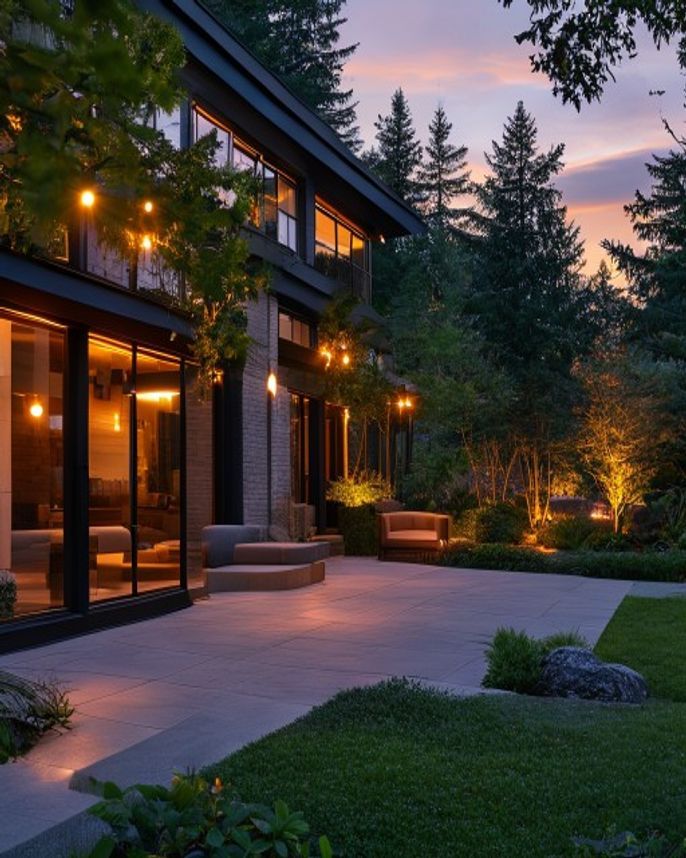
- Light fixtures: Can be placed strategically throughout your outdoor spaces to create ambiance and improve visibility.
Why Choose a Professional Installation?
While some homeowners may attempt to install low-voltage lighting themselves, it’s essential to hire a professional for several reasons:
- Code Compliance: A certified electrician ensures that your system meets local electrical codes and regulations.
- System Design: A professional can create a customized design that takes into account your home’s unique features and landscape.
- Safety: Trained technicians minimize the risk of electrical shock or other hazards associated with low-voltage systems.
Maintenance and Repair
To extend the lifespan of your low-voltage system, it’s crucial to perform regular maintenance:
- Inspect wiring for damage or wear.
- Check light fixture connections and replace faulty bulbs.
- Update your system periodically to ensure compatibility with new technologies.
Visit our Portfolio page to see how we’ve helped homeowners like you illuminate their outdoor spaces. Schedule a consultation today by calling (555) 123-4567 or visiting our website at DusklineLighting.com.