low voltage lighting · landscape lighting · energy efficiency · safety
Low-Voltage Landscape Lighting: A Safe and Energy-Efficient Solution for the Pacific Northwest
What is Low-Voltage Landscape Lighting?
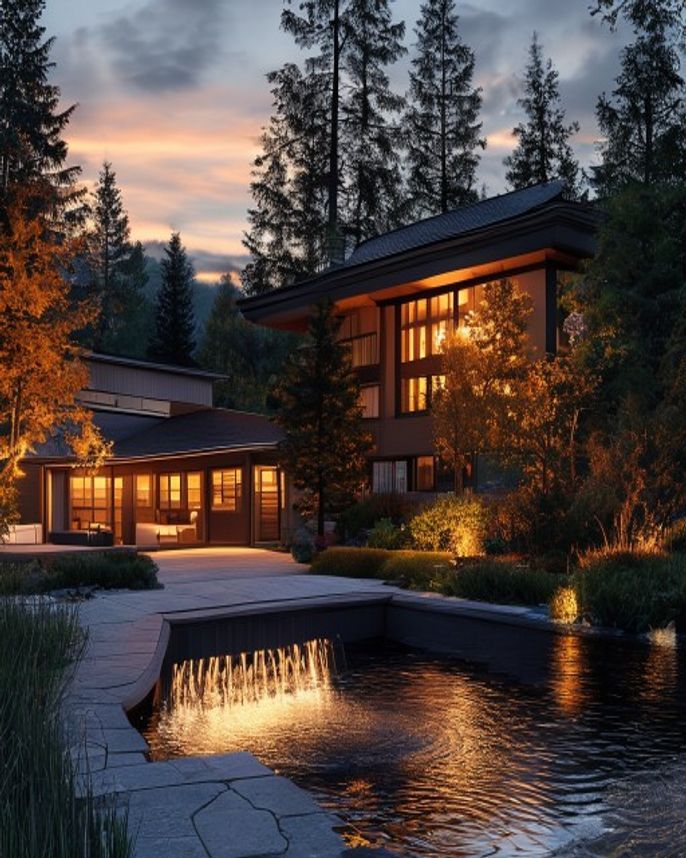
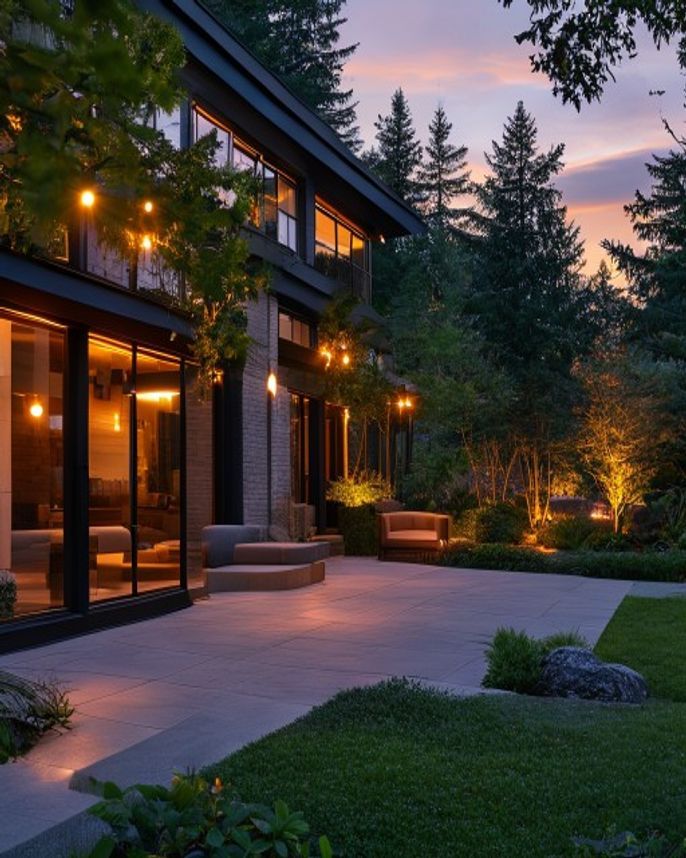
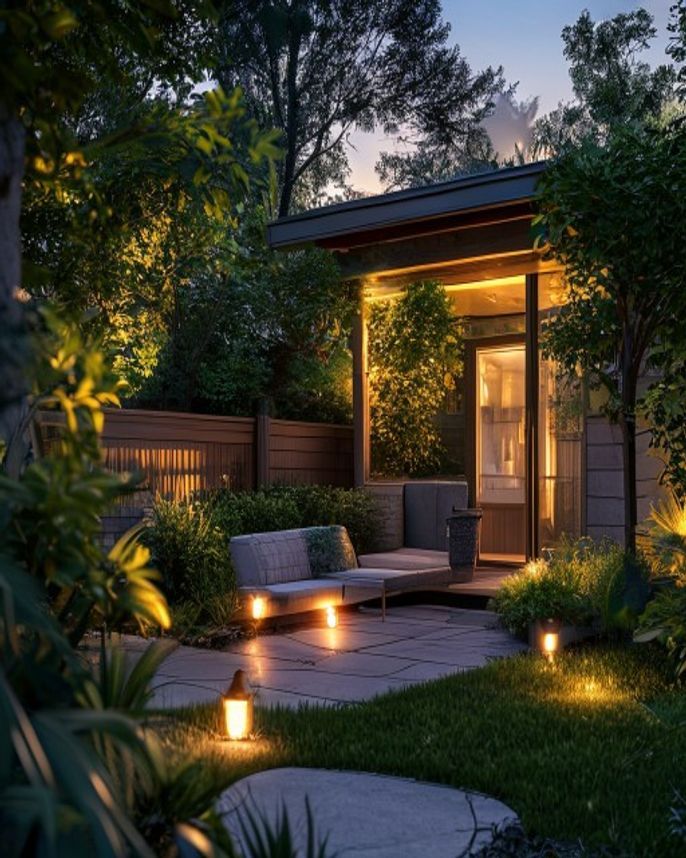
Low-voltage landscape lighting refers to an electrical system that uses lower voltage levels than traditional household wiring. This type of lighting is specifically designed for outdoor use and is a popular choice among homeowners in the Pacific Northwest due to its safety, energy efficiency, and aesthetic appeal.
Safety First
One of the primary concerns when it comes to outdoor lighting is safety. Traditional high-voltage systems can be hazardous, especially in areas with moisture, such as our region’s wet winters. Low-voltage landscape lighting eliminates this risk by using a system that operates at 12V or lower. This makes it an ideal choice for homeowners who want to illuminate their gardens, walkways, and patios without compromising safety.
Energy Efficiency
Low-voltage landscape lighting is not only safer but also more energy-efficient than traditional systems. Since the voltage is lower, less power is required to operate the lights, resulting in significant energy savings over time. According to the US Department of Energy, outdoor lighting accounts for 5-10% of a home’s total energy consumption. By switching to low-voltage landscape lighting, homeowners can reduce their energy bills and contribute to a more sustainable environment.
Design Flexibility
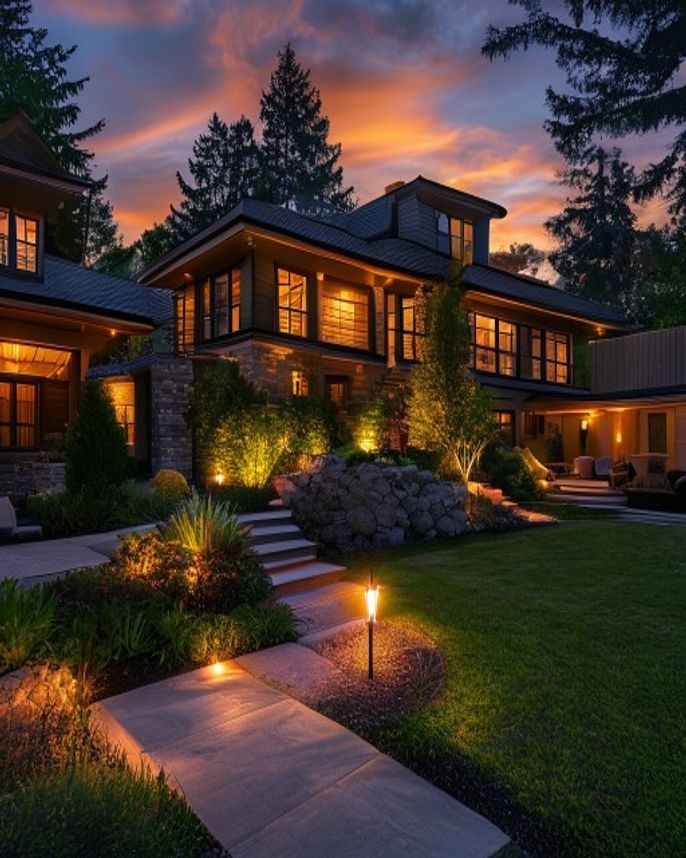
One of the main advantages of low-voltage landscape lighting is its design flexibility. Our team at Duskline Lighting can create customized designs that meet your specific needs and preferences. From subtle ambient lighting to dramatic accent lighting, we’ll work with you to bring your outdoor vision to life.
Practical Considerations for Pacific Northwest Homeowners
When it comes to installing low-voltage landscape lighting in the Pacific Northwest, there are several practical considerations to keep in mind:
- Moisture resistance: Since our region experiences high levels of rainfall, it’s essential to choose lights that are designed to withstand moisture.
- Color temperature: Warm white lighting (2700K-3000K) is often preferred in residential areas as it creates a cozy ambiance. However, cool white lighting (3500K-5000K) can be used for accent lighting or to highlight specific features.
- Light placement: Consider the location of trees, shrubs, and other obstacles when placing lights to ensure maximum visibility.
Maintenance and Upkeep
To get the most out of your low-voltage landscape lighting system, it’s essential to perform regular maintenance. Our team at Duskline Lighting offers maintenance services to ensure your system is running efficiently and safely.
- Visit our maintenance page for more information on how we can help.
- Check out our portfolio to see examples of successful installations: View our Portfolio
If you’re interested in learning more about low-voltage landscape lighting or would like to schedule a consultation, contact us today at [phone number] or visit our website to learn more.